Quick Answer
RO is the clear winner for comprehensive purification
Reverse Osmosis removes >95% of all contaminants including PFAS, heavy metals, and dissolved solids. Carbon filters are good for taste and chlorine — but they can't match RO for safety.
Two Technologies, Very Different Results
Both reverse osmosis and carbon filtration are legitimate water treatment technologies. But they work in fundamentally different ways, producing very different levels of purification.
Carbon filtration uses activated carbon to adsorb (attract and hold) certain chemicals on its surface. Think of it as a sponge that catches some contaminants as water passes through.
Reverse osmosis forces water through a semi-permeable membrane with pores so tiny (0.0001 microns) that virtually nothing except water molecules can pass through. It’s the same technology used in desalination plants and medical dialysis.
The Complete Comparison
| Contaminant | Carbon Filter | RO System | Winner |
|---|---|---|---|
| Chlorine & taste | 90%+ | 95%+ | Tie |
| PFAS “forever chemicals” | 30-60% | >95% | RO |
| Heavy metals (lead, mercury) | 20-60% | >95% | RO |
| Fluoride | <10% | >90% | RO |
| Bacteria & viruses | 0% | >99% | RO |
| Dissolved salts (TDS) | <5% | >90% | RO |
| Microplastics | Variable | >99% | RO |
| Pesticides & herbicides | 60-80% | >95% | RO |
💡 KEY INSIGHT
Carbon filters are "good enough" for chlorine and taste, but they leave you exposed to the contaminants that matter most.
PFAS, heavy metals, bacteria, and dissolved solids pass right through carbon filters. If you're serious about water safety, RO is the only technology that covers all bases.
Cost Comparison
A common argument for carbon filters is that they’re cheaper. Let’s look at the real numbers:
CARBON FILTER JUG
$50-80
Initial cost
+ $80-120/year in filter replacements
+ No hot water capability
+ Slow filtration (minutes per litre)
Removes: Chlorine, some taste/odour only
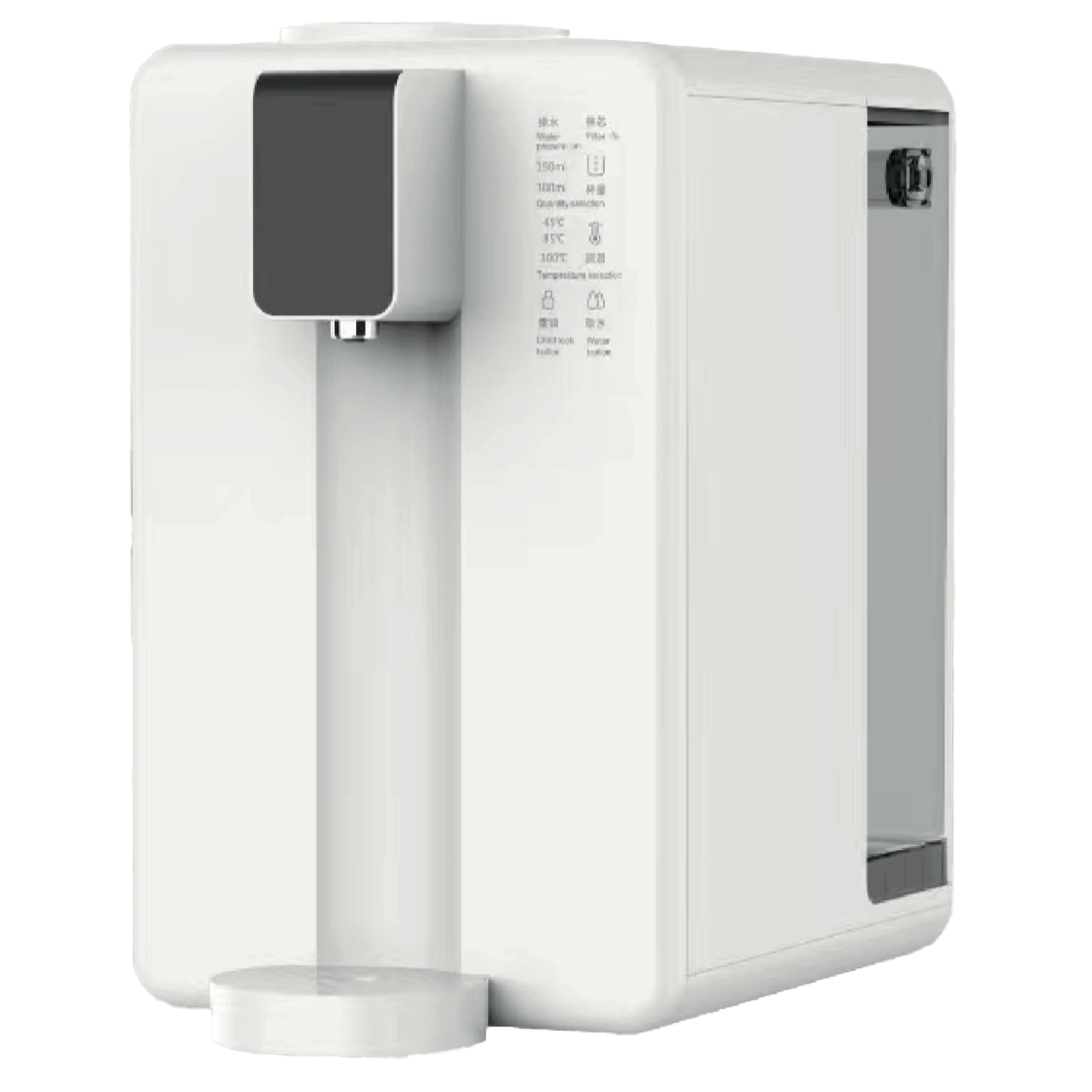
MYSEA T1 (RO + UV + HOT)
$449
One-time investment
+ ~$120/year for filters
+ Built-in instant hot water (replaces kettle)
+ 11.7 L/h cold, 24 L/h hot production
Removes: PFAS, heavy metals, bacteria, viruses, TDS, microplastics — everything
When you factor in the cost of a separate kettle ($40-100) and the value of comprehensive contaminant removal, the MySea T1 is actually the more cost-effective choice long term.
What About Under-Sink RO Systems?
Traditional under-sink RO systems require:
- Professional plumbing installation ($200-500)
- Drilling into your countertop for a dedicated faucet
- Permanent modification to your rental or home
- Separate hot water solution — they don’t heat water
The MySea T1 avoids all of these drawbacks. It’s a zero-installation, countertop unit that combines RO filtration, UV sterilisation, and instant hot water in one compact design.
The Verdict
Bottom Line
If you're buying a water purifier in Australia, choose RO.
Carbon filters have their place — they're cheap and improve taste. But for families who want genuine protection from PFAS, heavy metals, bacteria, and other contaminants prevalent in Australian water, reverse osmosis is the only responsible choice.
The MySea T1 makes RO accessible to every household — no plumber, no modifications, no compromises.
Interested in the MySea T1?
Five-star hotel water quality, right on your countertop. RCM Certified.
Share this article
Related Articles
The Complete Guide to Safe Water for Baby Formula in Australia
What water should you use for baby formula? Learn why paediatricians recommend purified water, the hidden risks in tap and bottled water, and how to prepare formula safely.
TravelWhy Hotel Water Isn't As Safe As You Think (And What to Do About It)
Old pipes, roof-top tanks, and Legionella — hotel water safety is a real concern for travellers in Australia and abroad. Here's what you need to know.