Parent Alert
1 in 3 Australian parents are unknowingly mixing formula with water containing contaminants
From excess fluoride to heavy metals and PFAS, Australian tap water isn't always as safe as we assume — especially for infants.
Why Water Quality Matters More for Babies
Babies are particularly vulnerable to water contaminants for several reasons:
- They consume 7× more water per kilogram of body weight than adults
- Their kidneys are immature and can’t efficiently filter toxins
- Their blood-brain barrier is still developing
- They rely on formula as their sole nutrition source for months
What’s a negligible exposure for an adult can be significant for a 4kg newborn drinking 150ml of formula six times a day.
🔬 BY THE NUMBERS
7×
More water consumed per kg body weight vs adults
6-8
Formula feeds per day in the first months
900ml
Average daily water intake for a newborn
Water Options: What Australian Parents Actually Use
1. Tap Water (Boiled)
The most common choice. Australian tap water is generally safe, but:
- Fluoride levels vary by region (0.6–1.1 mg/L). The WHO recommends <0.7 mg/L for infant formula water
- Chlorine and chloramine affect taste and may irritate sensitive systems
- Lead from old pipes — homes built before 1989 may have lead solder in plumbing
- PFAS contamination in affected regions
- Boiling does not remove chemicals, heavy metals, or PFAS — it only kills bacteria
2. Bottled Water
Seems safe, but:
- Not all bottled water is tested to infant-safe standards
- Mineral content varies wildly between brands
- Some brands are simply filtered tap water
- Plastic bottles may leach microplastics, especially in heat
- Expensive long-term ($3-5/day for formula-making)
3. RO Purified Water ★ Recommended
- Removes >95% of all contaminants including fluoride, PFAS, heavy metals
- Consistent, reliable quality every time
- Cost-effective at ~$0.05 per litre
- On-demand access — no running to shops
The Safe Formula Preparation Method
Step-by-step Guide
Start with RO-purified water
Ensures baseline purity with no contaminants
Heat to 70°C (not boiling)
Hot enough to kill bacteria in formula powder, cool enough to preserve nutrients
Add formula powder to water
Always water first, then powder. Follow tin instructions exactly
Cool to feeding temperature (37°C)
Test on inner wrist — should feel warm, not hot
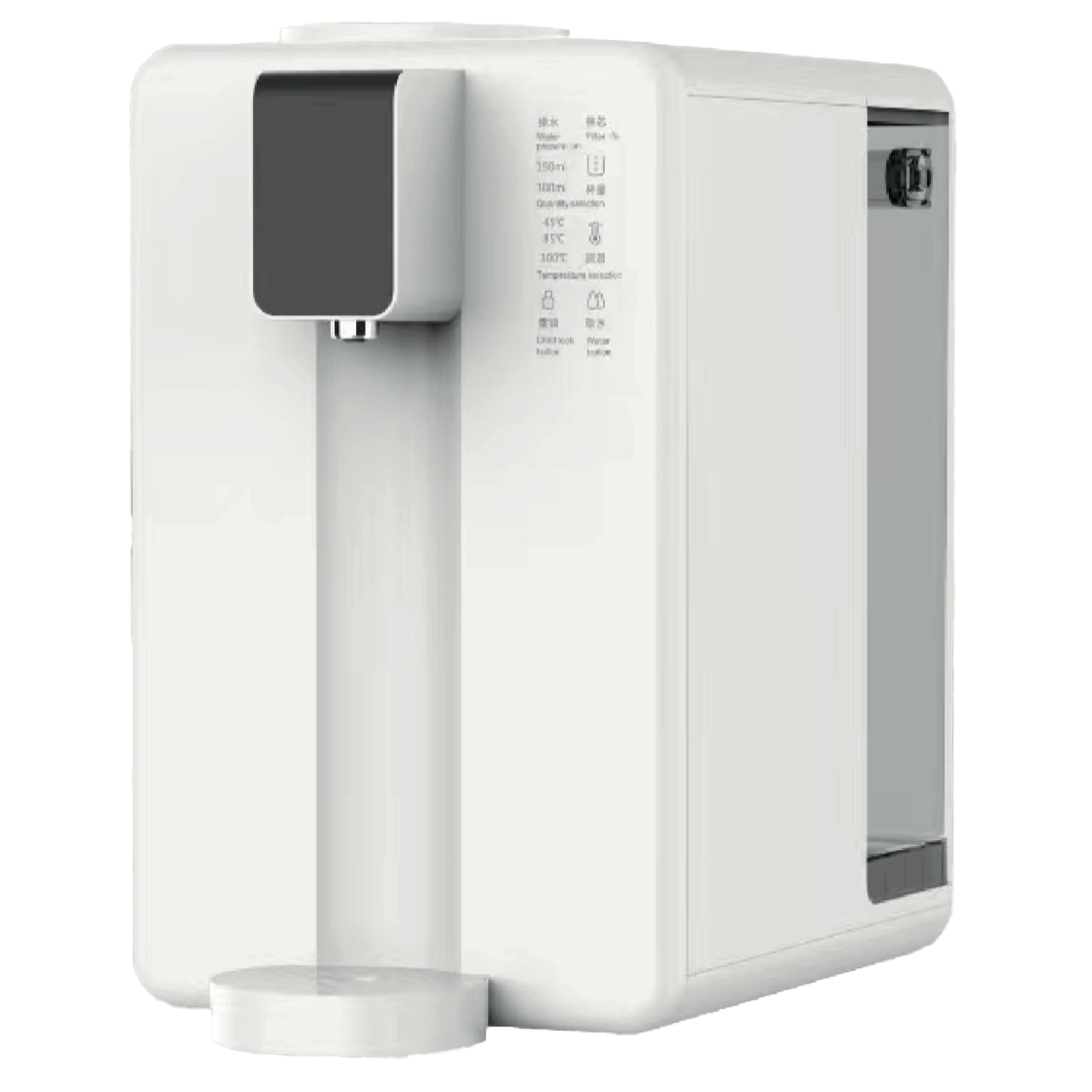
How the MySea T1 Fits into Your Routine
For new parents, convenience is everything — and the T1 was designed with families in mind:
- 45°C warm water setting — closer to feeding temperature, reducing cooling time from 15 minutes to under 2 minutes
- RO + UV double purification — the cleanest possible water for formula
- Zero installation — set up in your nursery, kitchen, or anywhere with a power outlet
- Compact footprint — doesn’t take up your limited bench space
- Child safety lock — prevents accidental hot water dispensing
Parents Love It
"The 45°C setting is a game-changer for night feeds. No more waiting for the kettle to cool down."
— A common sentiment from parents using the MySea T1
Making the safest possible formula doesn’t have to be complicated. With the right water purification, it takes less time, not more.
Interested in the MySea T1?
Five-star hotel water quality, right on your countertop. RCM Certified.
Share this article
Related Articles
Why Hotel Water Isn't As Safe As You Think (And What to Do About It)
Old pipes, roof-top tanks, and Legionella — hotel water safety is a real concern for travellers in Australia and abroad. Here's what you need to know.
Local GuideMelbourne Water Quality Report 2026: What's Really in Your Tap Water?
An honest look at Melbourne's tap water — from PFAS hotspots to fluoride levels, ageing pipes, and seasonal quality changes. Plus how to get the purest water at home.