Key Stat
6 Million
Australians live in areas where drinking water may contain PFAS above recommended guidelines.
What Are PFAS?
Per- and polyfluoroalkyl substances (PFAS) are a group of over 14,000 synthetic chemicals that have been manufactured since the 1940s. Often called “forever chemicals”, they are virtually indestructible in the environment and accumulate in the human body over time.
PFAS are called “forever chemicals” because they don’t break down naturally. Once they enter your body or the environment, they persist for decades.
PFAS are used in everyday products including non-stick cookware, food packaging, waterproof clothing, and fire-fighting foams. Their widespread use means they have contaminated water supplies across Australia and around the world.
How Do PFAS Get into Australian Water?
Australia has significant PFAS contamination, particularly near:
- Military bases — where PFAS-containing fire-fighting foam (AFFF) was used extensively
- Airports — with historical fire training areas
- Industrial sites — including manufacturing facilities
- Landfill sites — where PFAS-containing products were disposed of
📍 AFFECTED AREAS IN AUSTRALIA
Williamtown, NSW
RAAF Base contamination
Oakey, QLD
Army Aviation base
Katherine, NT
RAAF Tindal
Fiskville, VIC
CFA training facility
Health Risks of PFAS Exposure
Research has linked PFAS exposure to serious health concerns:
- Increased cholesterol levels — one of the most well-documented effects
- Changes in liver enzymes — indicating liver stress
- Decreased vaccine response in children — reduced immune effectiveness
- Increased risk of certain cancers — kidney and testicular cancer
- Reproductive and developmental effects — fertility impacts
- Thyroid hormone disruption — metabolic effects
The Australian Government’s PFAS Expert Health Panel has acknowledged these concerns and continues to monitor emerging evidence.
How to Remove PFAS from Drinking Water
Not all water filters can remove PFAS effectively. This is one of the most important facts to understand when choosing a purification system.
| Method | PFAS Removal | Rating |
|---|---|---|
| Reverse Osmosis (RO) | >95% | Most effective |
| Activated Carbon (high quality) | 60-80% | Moderate |
| Standard jug filters | <30% | Minimal |
| Boiling water | 0% | No effect |
The Gold Standard
Reverse Osmosis removes >95% of PFAS
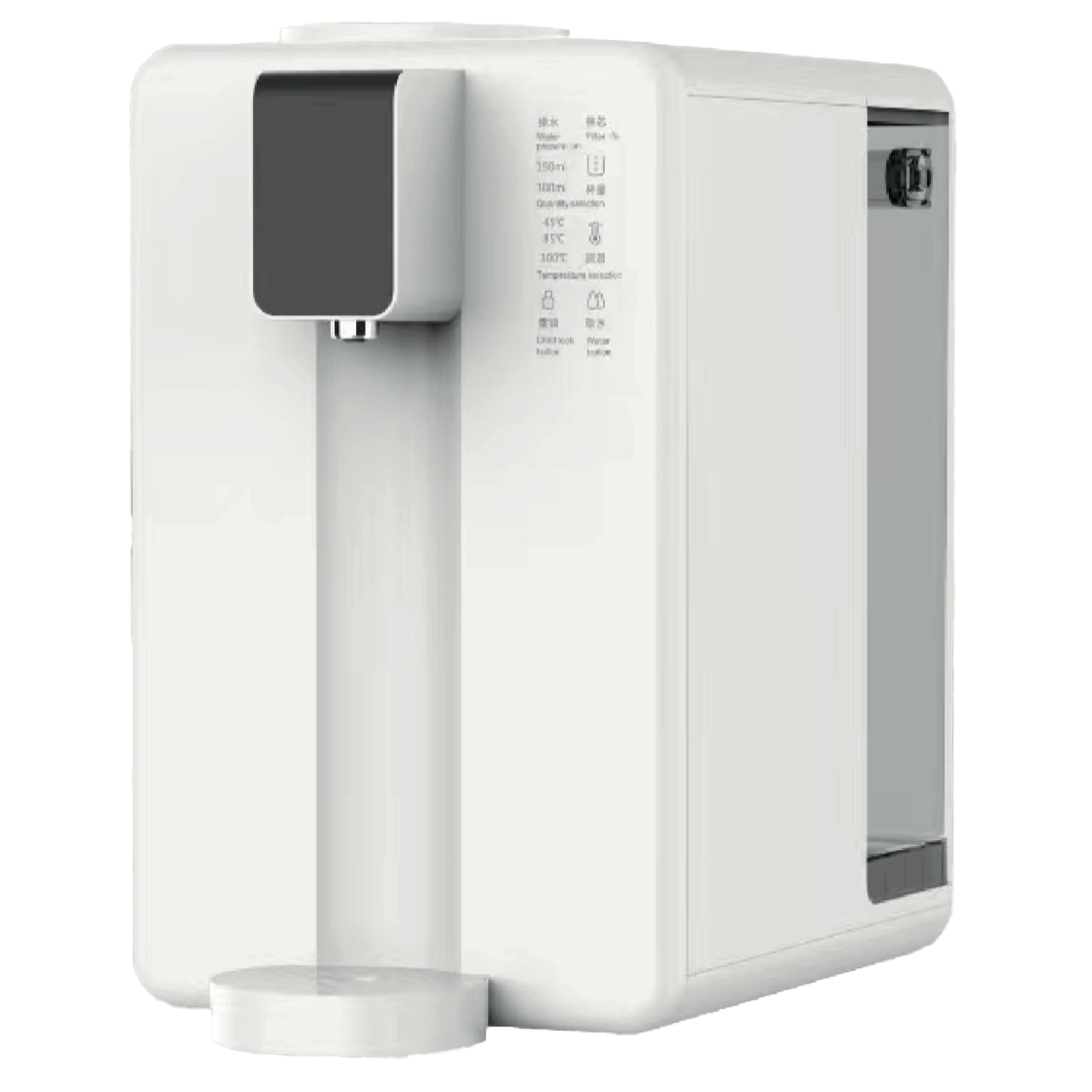
The MySea T1's 75G RO membrane achieves over 90% desalination rate, effectively removing PFAS along with heavy metals, bacteria, and other contaminants. Combined with UV sterilisation, it's the most thorough home purification available.
Protecting Your Family
While Australian water authorities are working to address PFAS contamination at the source, a point-of-use RO water purifier gives you direct control over your family’s water quality — today, not years from now.
The MySea T1 combines RO purification + UV sterilisation + instant hot water in a compact, zero-installation unit. It’s the simplest way to ensure every glass of water your family drinks is as pure as possible.
Key specs:
- 75G RO membrane with >90% desalination
- Built-in UV lamp for tank sterilisation
- Three temperature settings (room temp, 45°C, 85°C/100°C)
- Zero installation — plug in and pour
- RCM Certified by TÜV Rheinland Australia
Interested in the MySea T1?
Five-star hotel water quality, right on your countertop. RCM Certified.
Share this article
Related Articles
The Complete Guide to Safe Water for Baby Formula in Australia
What water should you use for baby formula? Learn why paediatricians recommend purified water, the hidden risks in tap and bottled water, and how to prepare formula safely.
TravelWhy Hotel Water Isn't As Safe As You Think (And What to Do About It)
Old pipes, roof-top tanks, and Legionella — hotel water safety is a real concern for travellers in Australia and abroad. Here's what you need to know.