Local Guide — Melbourne
Melbourne's water is good. But "good" isn't the same as "pure".
Melbourne is famous for its clean catchment-sourced water. But between the reservoir and your kitchen tap, things change.
Melbourne’s Water: The Good News
Let’s start with the positives. Melbourne’s water supply is genuinely excellent by world standards:
- Sourced from protected catchments — Upper Yarra, Thomson, and Maroondah reservoirs in pristine mountain ranges
- Minimal agricultural runoff — unlike many cities where water sources are exposed to farming chemicals
- World-class treatment facilities — multiple barrier treatment processes
- Regular testing — Melbourne Water publishes comprehensive quality data
✅ MELBOURNE WATER SCORECARD
Source Quality
Excellent
Treatment
World-class
Distribution (pipes)
Variable
At Your Tap
Depends
The Not-So-Good News
1. Chlorine and Disinfection By-products
Melbourne Water adds chloramine (chlorine + ammonia) to disinfect water during distribution. While necessary to prevent bacterial growth in pipes, chloramine:
- Creates an unpleasant taste and smell
- Can form disinfection by-products (DBPs) including trihalomethanes
- Irritates skin and eyes in sensitive individuals
- Is harder to remove than free chlorine (standard carbon filters struggle with it)
2. Fluoride — A Divisive Topic
Melbourne’s fluoride levels sit at 0.9–1.0 mg/L. While dental authorities endorse this level for tooth health, it’s worth knowing:
- The WHO’s current guideline is ≤1.5 mg/L, but some researchers advocate for lower limits
- Many European countries have banned or reduced water fluoridation
- For infant formula preparation, lower fluoride levels are preferred
- RO is one of the few methods that effectively removes fluoride (>90%)
3. Ageing Infrastructure
Melbourne’s water pipe network is extensive and ageing:
- Some pipes in inner suburbs are 100+ years old
- Lead solder was legal until 1989 — widely used in Melbourne’s boom suburbs
- Copper pipes corrode over time, especially in areas with aggressive water chemistry
- Your home’s internal plumbing can add contaminants that aren’t in the city’s water reports
4. Emerging Contaminants
| Contaminant | Melbourne Status | Health Concern |
|---|---|---|
| PFAS | Detected in some areas | High |
| Microplastics | Present at low levels | Growing concern |
| Pharmaceutical residues | Trace amounts | Under research |
| Herbicides (seasonal) | After heavy rain | Moderate |
Water Quality by Melbourne Suburb
Not all Melbourne water is equal. Factors that affect your specific area:
Inner City & Eastern Suburbs
Generally excellent source water from the Yarra catchment. Main risk: old building plumbing in heritage homes and apartments.
Western Suburbs
Often served by a blend of catchment and treated sources. Higher TDS possible. Historical industrial contamination in some areas.
South Eastern Growth Corridors
New estates with new pipes (good), but longer distribution distances mean higher chloramine dosing.
Apartments & High-Rises
Roof-top tanks and internal pressurisation systems add risk regardless of suburb. Maintenance varies by body corporate.
The Practical Solution
You don’t need to worry about which suburb you’re in, how old your pipes are, or what contaminants might be emerging if you purify your water at point-of-use.
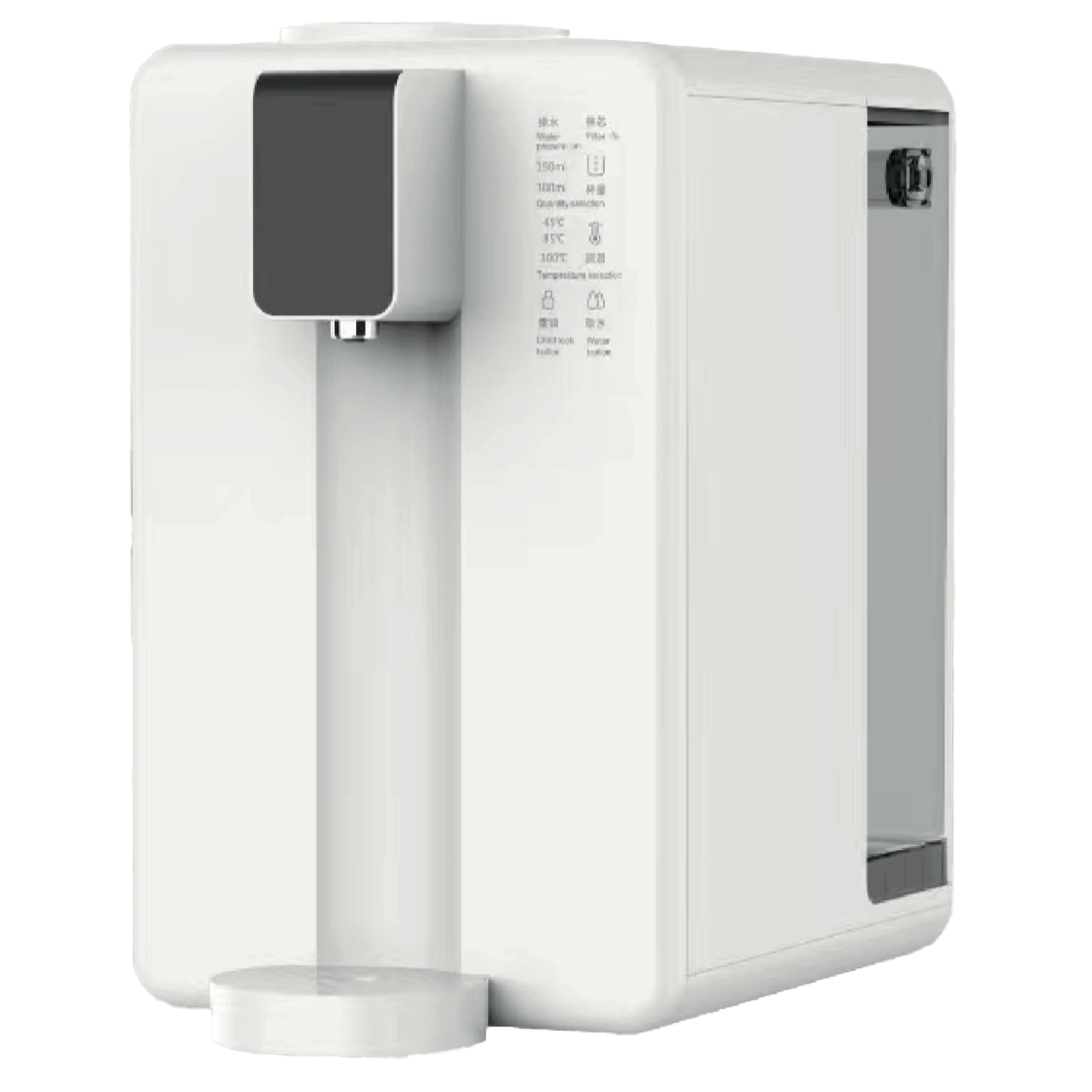
The MySea T1 sits on your kitchen bench and gives you:
- >90% desalination rate — removes fluoride, chloramine, PFAS, heavy metals, everything
- UV sterilisation — catches anything the membrane misses
- Three temperature settings — room temp, 45°C, 85°C/100°C
- No plumber needed — perfect for renters who can’t modify their kitchen
Melbourne-Specific Advantage
Melbourne has great source water. The T1 makes it perfect.
Starting with Melbourne's already-clean catchment water means your RO membrane lasts longer and the output is exceptionally pure. It's the ideal city for a point-of-use RO system.
Interested in the MySea T1?
Five-star hotel water quality, right on your countertop. RCM Certified.
Share this article
Related Articles
The Complete Guide to Safe Water for Baby Formula in Australia
What water should you use for baby formula? Learn why paediatricians recommend purified water, the hidden risks in tap and bottled water, and how to prepare formula safely.
TravelWhy Hotel Water Isn't As Safe As You Think (And What to Do About It)
Old pipes, roof-top tanks, and Legionella — hotel water safety is a real concern for travellers in Australia and abroad. Here's what you need to know.